In 2000, Netflix co-founder Reed Hastings met with executives from Blockbuster. At the time, Netflix was a small DVD-by-mail company. Blockbuster dominated in-store home entertainment.
Netflix proposed a partnership: they would handle the online experience while Blockbuster would remain the retail and brand powerhouse. Blockbuster declined.
Know-it-All
Blockbuster was confident in what had always worked; customers visiting their physical stores, profits from late fees, and a proven retail model. Blockbuster’s oversight wasn’t a lack of intelligence or effort, it was that they were already successful. Being successful often makes it harder to learn.
Think about it. How often do we solve a problem, move on, and then never revisit why it worked? There is no perceived need to explore further. This is what it looks like to operate with a know-it-all mindset.
What Carol Dweck would describe as a fixed mindset is comfort and certainty in what we already know. It’s often accompanied by the lack of curiosity or willingness to try something new or different, either because we believe we already have the answer or assume we won’t succeed anyway.
Learn-it-All
When Satya Nadella took over as CEO for Microsoft, he saw this exact pattern. Microsoft was full of brilliant, experienced, and successful people. That same success made them defensive and slow to adapt.
Nadella emphasized a shift from know-it-alls to learn-it-alls. Learn-it-alls operate with curiosity. They ask questions even when they feel confident. They stay open even when something has worked before. Learning, not success, becomes the goal.
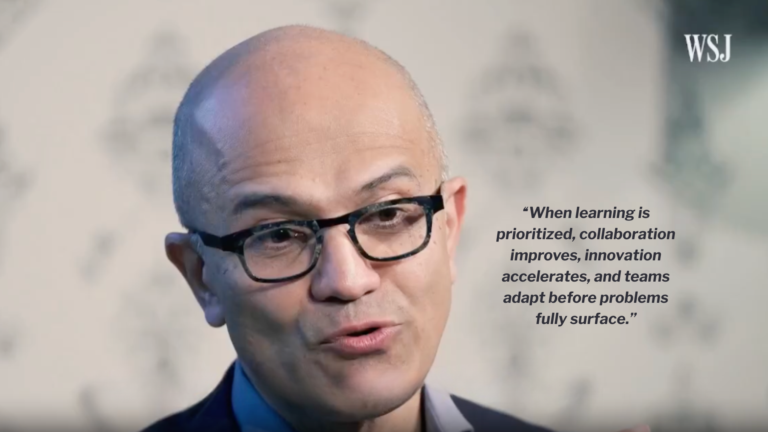
When learning is prioritized, collaboration improves, innovation accelerates, and teams adapt before problems fully surface. Had Blockbuster stayed open and curious, the story might have ended very differently.