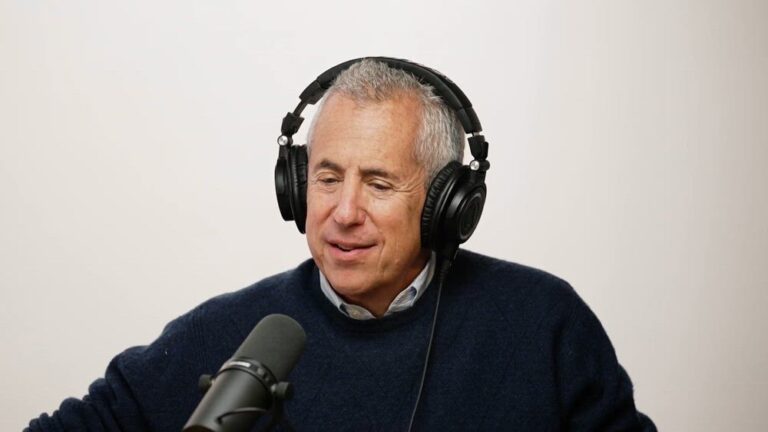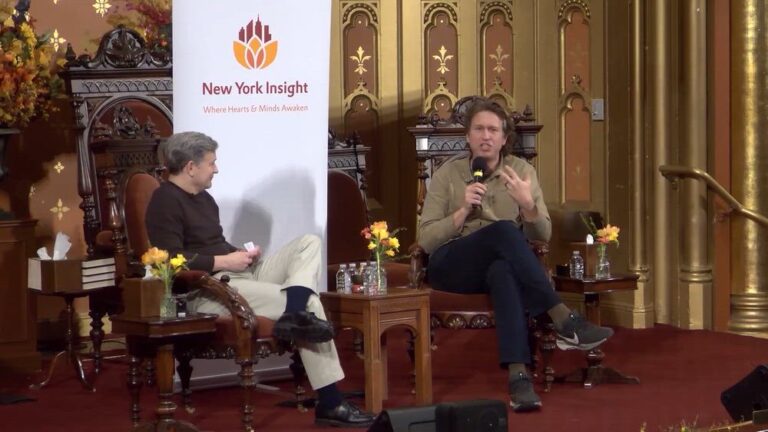
On the Rich Roll podcast, Tom Holland shares about working on set with Robert Downey Jr. and Chris Pratt. Holland admits that because Pratt and Downey were so effortlessly funny, he would often get hung up on wanting to be the one getting the audience to laugh at his jokes, not just theirs.
At some point, Holland made a different choice. He realized that if you are in a scene with someone and the audience is laughing, both parties are winning. Instead of trying to “out-funny them”, he focused instead on how he could help them be more funny; to make it easier for them to do what they do best. He described it as the difference between swimming upstream and swimming downstream.
Upstream is exhausting. Downstream the team moves faster.
Ego is the Enemy
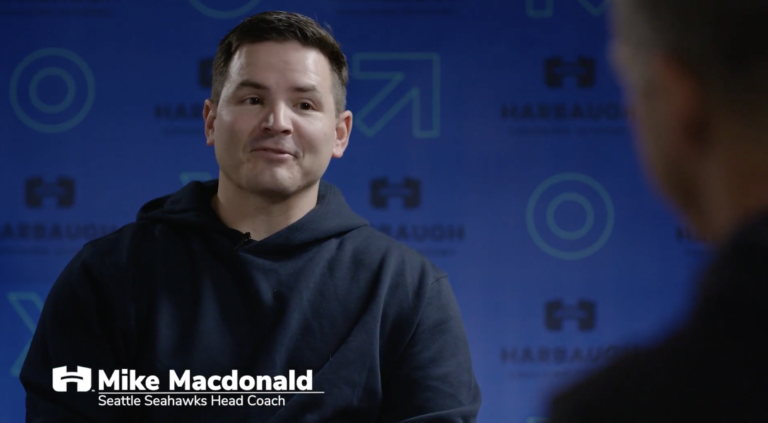
Mike Macdonald, head coach for the Seattle Seahawks, shares this same belief in the Canvas Strategy which comes from Ryan Holiday’s book Ego is the Enemy. Holiday writes: “the person who clears the path ultimately controls its direction, just as the canvas shapes the painting.” The canvas never gets the credit, but without it, there is no painting.
Many of us feel the pull Holland describes. We want credit, our contribution noticed, to feel our impact. That instinct is human; ego. When it becomes the primary driver of how we show up, we begin to focus on our own path instead of clearing the one in front of others. We start swimming upstream. We become exhausted.
The dirty work goes undone. Information gets withheld. The team slows down. And often, we don’t even realize we’re the reason.
Clearing the Path
Swimming downstream and clearing the path for others rarely looks heroic. It often looks like showing up on time, sharing information before someone asks for it, and even doing the small, unnoticed work to make the next person’s job easier. It’s even as simple as bringing energy on a day when you don’t feel like it.
Macdonald and the Seahawks built a Super Bowl winning team on that exact approach. An entire team focused on the collective, not just individual success.
Similarly, Holland didn’t lose anything by stepping back. He became more valued, not less.